Why Risk Profiling is Important & How to Conduct Your Own?
Oct 8, 2024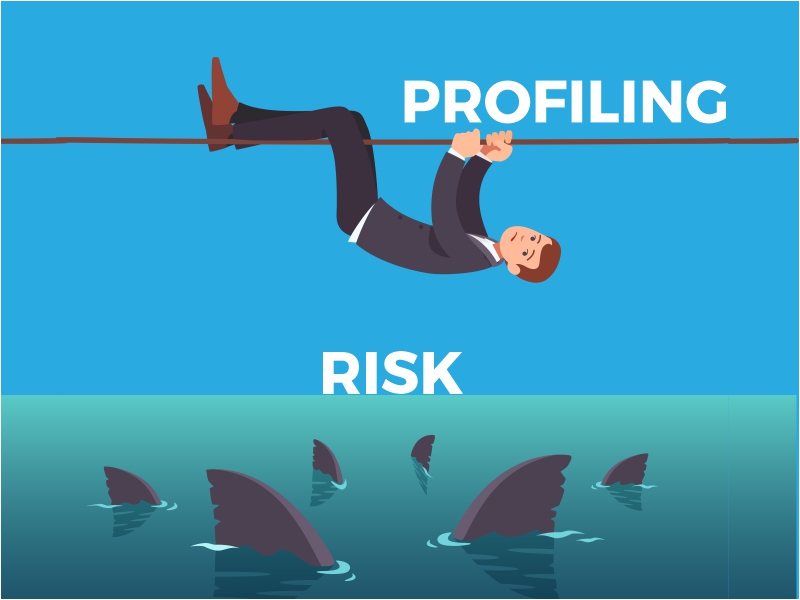
Imagine you’re at a buffet,and you see two trays: one with spicy, fiery biryani and another with a mild, creamy korma. Which one do you choose? Your answer depends on your taste buds and spice tolerance. Now, imagine those trays represent different types of investments—risky ones with high potential returns and safer ones with steady but smaller gains. The question is: How much financial spice can you handle? That’s whererisk profilingcomes in.
What is Risk Profiling?
Risk profiling is the process of assessing your ability and willingness to take risks in your investments. Just like in our buffet example, some people are ready to dive into the spicy biryani of high-risk investments, while others prefer the mild korma of safer options. Knowing your risk profile helps you make informed investment decisions that align with your financial goals and comfort level.
Why is Risk Profiling Important?
You wouldn’t buy a car without knowing how to drive, right? Similarly, diving into investments without understanding your risk profile can lead to financial mishaps. Here’s why risk profiling is crucial:
- Aligns Investments with Goals:Understanding your risk tolerance ensures that your investments match your financial goals, whether it’s wealth accumulation, retirement planning, or preserving capital.
- Prevents Panic Selling:Knowing your risk tolerance helps you stay calm during market volatility. If you’re aware that you prefer low-risk investments, you won’t be as likely to panic when the market takes a dip.
- Optimizes Returns:By balancing risk and reward according to your profile, you can optimise returns without taking on more risk than you’re comfortable with.
Quick Stat:According to a survey by SEBI, 76% of Indian investors are not fully aware of their risk tolerance, leading to investments that may not align with their financial goals.
Types of Risk Profiles
Just as there are different levels of spiciness in food, there are different risk profiles in investing. Here’s a look at the most common ones:
- Conservative: The Mild Korma
- Characteristics:Low risk tolerance, prioritizes capital preservation, prefers stable returns.
- Ideal Investments:Fixed deposits, government bonds, high-rated corporate bonds.
- Moderate: The Medium-Spiced Curry
- Characteristics:Balanced approach, willing to take on moderate risk for better returns, comfortable with some market volatility.
- Ideal Investments:Hybrid mutual funds, diversified portfolios, blue-chip stocks.
- Aggressive: The Spicy Biryani
- Characteristics:High risk tolerance, seeks maximum returns, comfortable with significant market fluctuations.
- Ideal Investments:Equities, small-cap stocks, sector-specific funds, high-yield bonds.
|
Risk Profile |
Risk Tolerance |
Investment Preferences |
|
Conservative |
Low |
Fixed deposits, government bonds, PPF, Debt Funds |
|
Moderate |
Medium |
Hybrid mutual funds, blue-chip stocks |
|
Aggressive |
High |
Equities, small & mid-cap funds, Sectoral & thematic funds |
How to Conduct Your Own Risk Profile
Conducting your own risk profile isn’t as daunting as it sounds. Here’s a step-by-step guide:
1. Assess Your Financial Goals
Your financial goals are the foundation of your risk profile. Are you saving for retirement, buying a house, or building an emergency fund? Your goals & time duration to achieve them will influence how much risk you should take.
- Short-Term Goals:If your goal is less than 5 years away, you’ll likely want to take on less risk.
- Long-Term Goals:If your goal is 10+ years away, you can afford to take on more risk for potentially higher returns.
2. Evaluate Your Risk Tolerance
Risk tolerance is a combination of your ability and willingness to take risks.
- Ability:This depends on factors like your income, expenses, savings, and financial obligations. Higher income and savings can allow for greater risk-taking.
- Willingness:This is your psychological comfort with risk. Are you someone who loses sleep over market fluctuations, or are you unbothered by them?
3. Understand Your Investment Time Horizon
The length of time you plan to stay invested also affects your risk profile. The longer your investment horizon, the more risk you can typically afford to take.
- Short-Term:Less than 5 years
- Medium-Term:5-10 years
- Long-Term:More than 10 years
Quick Stat:Research shows that long-term investors (10+ years) who invest in equities generally achieve higher returns than those who invest in low-risk assets over the same period.
4. Take a Risk Tolerance Questionnaire
Several online tools and questionnaires can help you assess your risk tolerance. These questionnaires typically ask about your financial situation, investment experience, and reactions to hypothetical market scenarios.
Creating an Investment Strategy Based on Your Risk Profile
Once you know your risk profile, you can create an investment strategy that aligns with it. Here’s how:
- For Conservative Investors:Focus on low-risk, stable investments. Fixed deposits, government bonds, and high-quality corporate bonds should make up the majority of your portfolio.
- For Moderate Investors:Build a diversified portfolio that includes a mix of equities and bonds. Balanced mutual funds or a blend of blue-chip stocks and bonds can provide growth with moderate risk.
- For Aggressive Investors:Consider a higher allocation to equities and small-cap stocks. You might also explore sector-specific funds and high-yield bonds to maximise returns, keeping in mind the associated risks.
Regularly Review and Adjust Your Risk Profile
Your risk profile isn’t static—it can change over time due to life events, changes in financial goals, or shifts in market conditions. It’s important to review your risk profile regularly and adjust your investment strategy accordingly.
- Life Events:Marriage, the birth of a child, or retirement can significantly alter your risk tolerance.
- Market Changes:Economic downturns or bull markets might require a reassessment of your investment strategy.
Conclusion: Know Thyself, Know Thy Investments
Risk profiling is the compass that guides your investment journey. By understanding your risk tolerance and aligning it with your financial goals, you can make informed investment decisions that not only maximise returns but also allow you to sleep soundly at night. So, take the time to assess your risk profile—you’ll thank yourself in the long run.
Happy investing!
Disclaimer: The information provided in this blog is for educational purposes only and does not constitute financial advice. Always consult with a financial advisor before making investment decisions.
Invest Smarter: Choose the Right Fund for You!
Schedule A CallRelated Blogs
- What Psychology Really Tells Us About the Way We Invest
- How to Create Wealth With Market Volatility
- Why Planning a Vacation Feels Like Scamming Your Investments?
- The Psychology Behind Portfolio Rebalancing
- SIP Growth Over Years: A Magical Chart
- Your Wealth, Your Recipe, Your Flavours and MINTIT’s Guidance
- From Mantras to Mutual Funds: The Modern Interpretation of Laxmi’s Teachings
- Insurance & SIPs Through Mutual Funds App: Perfect Duo For A Secure Future
- Women & Wealth: SIPs Empowering the New Generation of Investors
- How Long-Term SIP Investment Protects Your Future from Inflation
- Your Shield Against Inflation: Long Term SIP Investment Through MINTIT’s Mutual Fund Mobile App
- The Hidden Risk of Over-Diversifying Mutual Funds
- Hard Truths of Dividend Income
- Enjoying Regular Income Via SWP
- Farewell Warren Buffett; Lessons From Investor With Networth of Rs 14 Lakh Crore
- Why Taking Time Before Making Investment Decisions Can Be Beneficial?
- How to Become a Smart Investor?
- Best Attitude practices for an Investor to avoid investment biases.